
The Difference Between EV Salary Sacrifice and Charging Salary Sacrifice
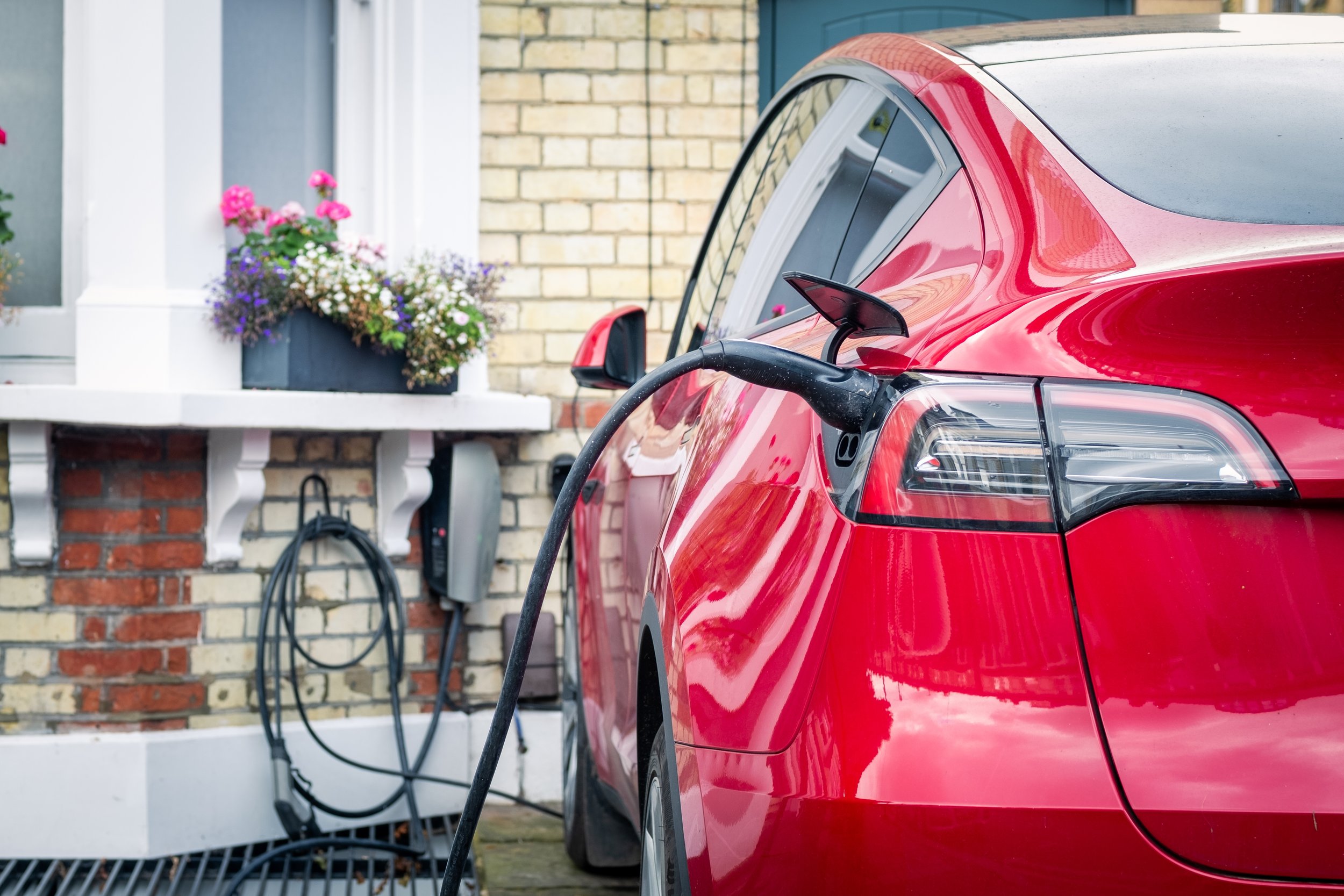
Source: Shutterstock
As electric vehicle adoption accelerates across the UK, more employees are discovering innovative ways to reduce the costs of going electric. Two distinct salary sacrifice solutions have emerged: EV salary sacrifice for the vehicle itself, and charging salary sacrifice for powering it. Understanding the difference between these schemes - and how they work together - is essential for maximising your savings.
What Is EV Salary Sacrifice?
EV salary sacrifice is a workplace benefit scheme where employees agree to reduce their gross salary in exchange for an electric company car. The vehicle lease cost is deducted from your salary before tax and National Insurance calculations, resulting in substantial savings of 20-50% compared to leasing the same vehicle independently.
What Does EV Salary Sacrifice Cover?
An electric vehicle salary sacrifice scheme typically includes:
Vehicle Costs
Monthly lease payments for a brand-new or used electric car
Full manufacturer warranty throughout the lease period
Option to choose from hundreds of EV models
Insurance and Protection
Comprehensive motor insurance
Breakdown cover and roadside assistance
Vehicle excise duty (road tax) included
Maintenance Package
Regular servicing and MOTs
Tyre replacement when required
Wear and tear maintenance
Additional Benefits
Fixed monthly cost with no surprises
Option to return or upgrade the vehicle at lease end
Protection for employers through schemes like Complete Employer Protection
How Much Can You Save with EV Salary Sacrifice?
The savings from EV salary sacrifice depend on your tax bracket:
Basic rate taxpayers (20%): Save approximately 32% on lease costs
Higher rate taxpayers (40%): Save approximately 42% on lease costs
Additional rate taxpayers (45%): Save approximately 47% on lease costs
For example, a vehicle with a £600 monthly lease cost could be reduced to approximately £348 for a higher rate taxpayer - a saving of £252 per month or £3,024 annually over a three-year lease.
Current BiK Tax Rates for Electric Vehicles
The exceptionally low Benefit-in-Kind tax on electric vehicles makes salary sacrifice particularly attractive:
2025/26: 3% BiK rate
2026/27: 4% BiK rate
2027/28: 5% BiK rate
Compare this to petrol and diesel vehicles facing BiK rates up to 37%, and the tax advantage becomes clear.
What Is Charging Salary Sacrifice?
Charging salary sacrifice is a separate workplace benefit scheme where employees can reduce their gross salary to cover the cost of charging their electric vehicle. The Charge Scheme represents the UK's first and only dedicated solution for this purpose.
What Does Charging Salary Sacrifice Cover?
The Charge Scheme covers all types of electric vehicle charging:
Home Charging
Any home charger type or brand
All energy tariffs including specialist EV rates
Installation costs can be included in some arrangements
Workplace Charging
Office or depot charging facilities
Compatible with any workplace charging provider
Covers both free and paid workplace charging
Public Charging
Access to over 76,000 UK charging points
Major networks including BP Pulse, Shell Recharge, IONITY
Tesla Superchargers across Europe
Single app and card solution via The Charge Scheme
How Much Can You Save with Charging Salary Sacrifice?
Charging salary sacrifice savings also depends on your tax bracket and charging patterns:
High-mileage drivers using public charging frequently: £800-£1,000 annually
Mixed charging users (home and public): £500-£750 annually
Primarily home charging: £300-£500 annually
The tax savings structure mirrors EV salary sacrifice, with higher-rate taxpayers achieving approximately 42% savings on all charging costs.
What Are The Key Differences Between EV and Charging Salary Sacrifice?
Understanding these differences helps you maximise the benefits of both schemes:
1. What They Cover
EV Salary Sacrifice Covers:
The vehicle itself (lease cost)
Insurance and breakdown cover
Maintenance, servicing, and tyres
Road tax (VED)
Depreciation risk
Charging Salary Sacrifice Covers:
Home electricity for EV charging
Workplace charging costs
Public charging network access
Charging infrastructure costs
2. Cost Structure
EV Salary Sacrifice:
Fixed monthly deduction from gross salary
Typically £300-£800 per month depending on vehicle
Includes all vehicle-related costs except charging
2-4 year commitment period
Charging Salary Sacrifice:
Variable monthly deduction based on actual usage
Typically £50-£150 per month depending on mileage
Only covers charging costs
Flexible - can adjust usage month to month
3. Setup and Administration
EV Salary Sacrifice:
Requires the employer to set up a scheme with the provider
A credit check is typically required
Vehicle selection and ordering process
Delivery time of 2-12 weeks, depending on vehicle
App and card setup in minutes
No credit check required
Immediate start once the employer is enrolled
4. Flexibility
EV Salary Sacrifice:
Fixed commitment for lease duration
Early termination may incur fees (unless protected)
Vehicle can be changed at end of lease
Mileage limits apply
Charging Salary Sacrifice:
Monthly usage based on actual charging
No fixed commitment beyond employment
Unlimited charging within the salary sacrifice structure
5. Employer Requirements
EV Salary Sacrifice:
Must set up a scheme with a leasing provider
Payroll integration required
Credit risk assessment needed
Ongoing vehicle administration
Charging Salary Sacrifice:
Works with ANY existing EV scheme
Minimal payroll changes required
Automated monthly reporting
How Do EV Salary Sacrifice and Charging Salary Sacrifice Work Together?
The true power emerges when combining both schemes, creating a comprehensive solution for electric vehicle ownership:
The Complete Cost-Saving Package
Monthly Vehicle Costs via EV Salary Sacrifice:
Original lease cost: £600
After tax savings (40% taxpayer): £348
Monthly saving: £252
Monthly Charging Costs via Charging Salary Sacrifice:
Original charging cost: £120
After tax savings (40% taxpayer): £70
Monthly saving: £50
Total Combined Monthly Saving: £302 Total Combined Annual Saving: £3,624
Real-World Example: The Complete Journey
Sarah, a higher rate taxpayer, wants to drive a Tesla Model 3:
Without Any Salary Sacrifice:
Personal lease: £650/month
Public charging costs: £140/month
Total monthly cost: £790
Annual cost: £9,480
With EV Salary Sacrifice Only:
Salary sacrifice lease: £377/month (42% saving)
Public charging costs: £140/month
Total monthly cost: £517
Annual cost: £6,204
Annual saving: £3,276
With Both EV + Charging Salary Sacrifice:
Salary sacrifice lease: £377/month
Salary sacrifice charging: £81/month (42% saving)
Total monthly cost: £458
Annual cost: £5,496
Annual saving: £3,984
By combining both schemes, Sarah saves an additional £708 annually compared to EV salary sacrifice alone.
Who Should Use Which Scheme?
Choose EV Salary Sacrifice If You:
Need a new electric vehicle
Want fixed monthly costs with everything included
Prefer not owning and maintaining a vehicle
Qualify through your employer's scheme
Can commit to a 2-4 year lease period
Want the tax benefits of company car ownership
Choose Charging Salary Sacrifice If You:
Already own or lease an electric vehicle
Want to reduce ongoing charging costs
Have no access to affordable home charging
Rely heavily on public charging networks
Want flexibility without long-term commitments
Are in an existing company EV scheme
Choose Both Schemes If You:
Want maximum possible savings on EV costs
Your employer offers both schemes
You're committed to long-term electric driving
You have significant annual mileage
You want comprehensive cost coverage
Tax efficiency is a priority
Why The Charge Scheme Works With Any EV Salary Sacrifice Provider
One of the most significant advantages of The Charge Scheme is its universal compatibility. Unlike EV salary sacrifice schemes that require you to work with specific leasing providers, The Charge Scheme works alongside:
Any existing EV salary sacrifice scheme
Any electric vehicle make or model
Any leasing or scheme provider
Personal EV leases or ownership
Company-owned electric vehicles
This means employees can add charging savings regardless of how they acquired their electric vehicle, making it the missing piece that completes the EV affordability puzzle.
Benefits of Combining Both Schemes
For Employees
Maximum Tax Efficiency
Double tax advantage on both the vehicle and the charging
Reduce taxable income through both deductions
Save 20-50% on total EV costs
Simplified Finances
Single monthly salary deduction covers everything
No upfront costs or deposits required
Predictable budgeting for electric driving
Complete Coverage
Vehicle, insurance, and maintenance all included
All charging costs covered (home, work, public)
No unexpected EV-related expenses
Environmental Impact
Reduce carbon emissions through EV adoption
Support UK Net Zero targets
Demonstrate personal environmental commitment
For Employers
Competitive employee retention tool
Attract environmentally conscious talent
Demonstrate corporate sustainability commitment
Zero Net Cost
Both schemes are cost-neutral to employers
National Insurance savings offset administration
Improved benefits without increased costs
Simplified Administration
Single point of contact for support
Minimal ongoing management required
ESG and Net Zero Support
Accelerate company fleet electrification
Demonstrate climate action commitment
Support employee transition to EVs
Real-World Success Stories
Shaw Education Trust: Complete EV Solution
Shaw Education Trust implemented both EV salary sacrifice and The Charge Scheme for their educators. Stephen Watson, Chief People Officer, explains:
"The combination has been transformative. Educators can access electric vehicles affordably through salary sacrifice, and The Charge Scheme has removed the charging cost barrier that was preventing some staff from making the switch. We've seen remarkable enthusiasm from our team."
Europa Worldwide Group: Fleet Electrification
Europa Worldwide, with team members constantly on the move, needed a complete solution:
"For our mobile workforce, combining vehicle and charging salary sacrifice has made electric vehicle adoption practical and affordable. Staff save thousands annually while we progress toward our Net Zero commitments," reports Amy Gordon, HR Coordinator.
Red Badger: Employee Without Home Charging
John Godfrey's experience demonstrates why charging salary sacrifice matters:
"I got my MG4 through EV salary sacrifice which saved me thousands on the vehicle. But without a home charger, I was spending £140+ monthly on public charging. The Charge Scheme cut that cost in half, saving me another £50+ per month. Together, these schemes make electric driving genuinely affordable."
How To Get Started With Both Schemes
If Your Employer Offers EV Salary Sacrifice
Check current scheme details with your HR department
Ask about The Charge Scheme as a charging add-on
Calculate your combined savings using both schemes
Select your electric vehicle through the EV scheme
Set up The Charge Scheme app when your car arrives
If Your Employer Doesn't Offer Either Scheme
Share this article with your HR or benefits team
Highlight the zero-cost benefit for employers
Provide employer information about both schemes
Connect HR with providers for implementation support
Join when schemes launch to start saving immediately
If You Already Have An EV Through Salary Sacrifice
You can still add charging salary sacrifice:
Check with HR if The Charge Scheme is available
If not available, request they add it to existing benefits
Setup takes minutes once employer enrolled
Start saving immediately on all charging costs
FAQ’s
-
Unfortunately no. Salary sacrifice charging is only applicable for drivers of a company-owned EV. So if you drive a car through work, whether through a company-owned lease or a salary sacrifice scheme, then you are eligible. If you drive a personal EV lease, then you will not be eligible for The Charge Scheme.
-
No. The Charge Scheme is designed to work alongside any EV salary sacrifice provider. Your employer can keep their existing vehicle scheme and simply add The Charge Scheme as a bolt-on benefit.
-
You can add The Charge Scheme at any time during your lease period. Speak to your HR department about implementing The Charge Scheme to start saving on charging costs immediately.
-
Both schemes reduce your gross salary before tax calculations. If you're a 40% taxpayer, you save approximately 42% on both your vehicle and charging costs through the combined Income Tax and National Insurance reductions.
-
Many EV salary sacrifice schemes allow you to include home charger installation in your monthly package. Additionally, The Charge Scheme covers the ongoing electricity costs of home charging through salary sacrifice.
-
Your EV salary sacrifice typically ends with your employment. Similarly, The Charge Scheme ends when you return your company/salary sacrifice car. But you may be able to join a similar scheme with your next employer.
-
Salary sacrifice can reduce pension contributions if calculated on post-sacrifice salary. However, most employers calculate pensions on pre-sacrifice salary to maintain pension benefits. Discuss this with your HR department when enrolling.
-
A typical higher rate taxpayer could save:
£2,500-£3,500 annually on EV salary sacrifice
£500-£1,000 annually on charging salary sacrifice
Total combined savings: £3,000-£4,500 per year
-
The main consideration is reduced take-home pay due to salary sacrifice deductions. However, the tax savings and included benefits typically outweigh this reduction. Calculate your net position before committing.
-
EV salary sacrifice can take 2-12 weeks, depending on vehicle availability. The Charge Scheme setup takes just minutes once your employer is enrolled, and you can start saving immediately.




Last updated: 29/01/2026
Our pricing: is based on data collected from The Charge Scheme Calculator. All final pricing is inclusive of VAT. All deals are subject to credit approval and availability. All deals are subject to excess mileage and damage charges. Prices are calculated based on the following tax saving assumptions; England & Wales, 40% tax rate. The Charge Scheme is a product of The Electric Car Scheme™ – a trusted, trademarked brand dedicated to making electric driving more affordable. All rights reserved. The Electric Car Scheme is the trading style of The Electric Car Scheme Limited (company number 12646157, ICO number ZB030706, VAT number 439430195) and The Electric Car Scheme Holdings Limited (company number 13295877, ICO number ZB252629). Head office & registered address: The Shipping Building, 254 Blyth Road, Hayes, UB3 1HA. The Electric Car Scheme Limited provides services for the administration of salary sacrifice employee benefits. The Electric Car Scheme Holdings Limited is a member of the BVRLA (10608) is authorised and regulated by the FCA under FRN 968270, is an Appointed Representative of Marshall Management Services Ltd under FRN 667174, and is a credit broker and not a lender.
Copyright and Image Usage: All images used on this website are either licensed for commercial use or used with express permission from the copyright holders, in compliance with UK and EU copyright law. We are committed to respecting intellectual property rights and maintaining full compliance with applicable regulations. If you have any questions or concerns regarding image usage or copyright matters, please contact us at marketing@electriccarscheme.com and we will address them promptly.
Note on Tesla Pricing: Tesla charges a partner roaming rate to Tesla drivers when using third-party cards, which is higher than their direct rate.
